In the journey toward healthy living, understanding nutrition plays a pivotal role. As we navigate through life, especially after reaching our fourth decade, our nutritional needs and lifestyle priorities often require refinement and adjustment. This phase of life introduces unique challenges and opportunities in maintaining our vitality and overall wellness.
Firstly, it’s essential to recognize that metabolic rates naturally decline with age. While this is a normal part of aging, it can impact energy levels and body composition. Engaging in mindful eating practices and consuming nutrient-dense foods is crucial. Foods rich in fiber, lean proteins, healthy fats, and a variety of fruits and vegetables can support a balanced diet. Whole grains, legumes, and seeds are excellent sources of fiber, which aids in digestion and helps maintain energy levels.
Additionally, proteins play a vital role in maintaining muscle mass, which is increasingly important as we age. Incorporating sufficient amounts of high-quality protein from sources like poultry, fish, beans, and tofu can support muscle health and repair. Meanwhile, healthy fats, such as those found in nuts, avocados, and olive oil, are beneficial for heart health and aid in the absorption of fat-soluble vitamins.
Hydration is another fundamental aspect of nutritional wisdom, especially as we get older. Adequate water intake supports various bodily functions, including digestion, circulation, and temperature regulation. Staying well-hydrated can also help manage hunger cues, which can be beneficial for maintaining a healthy body weight.
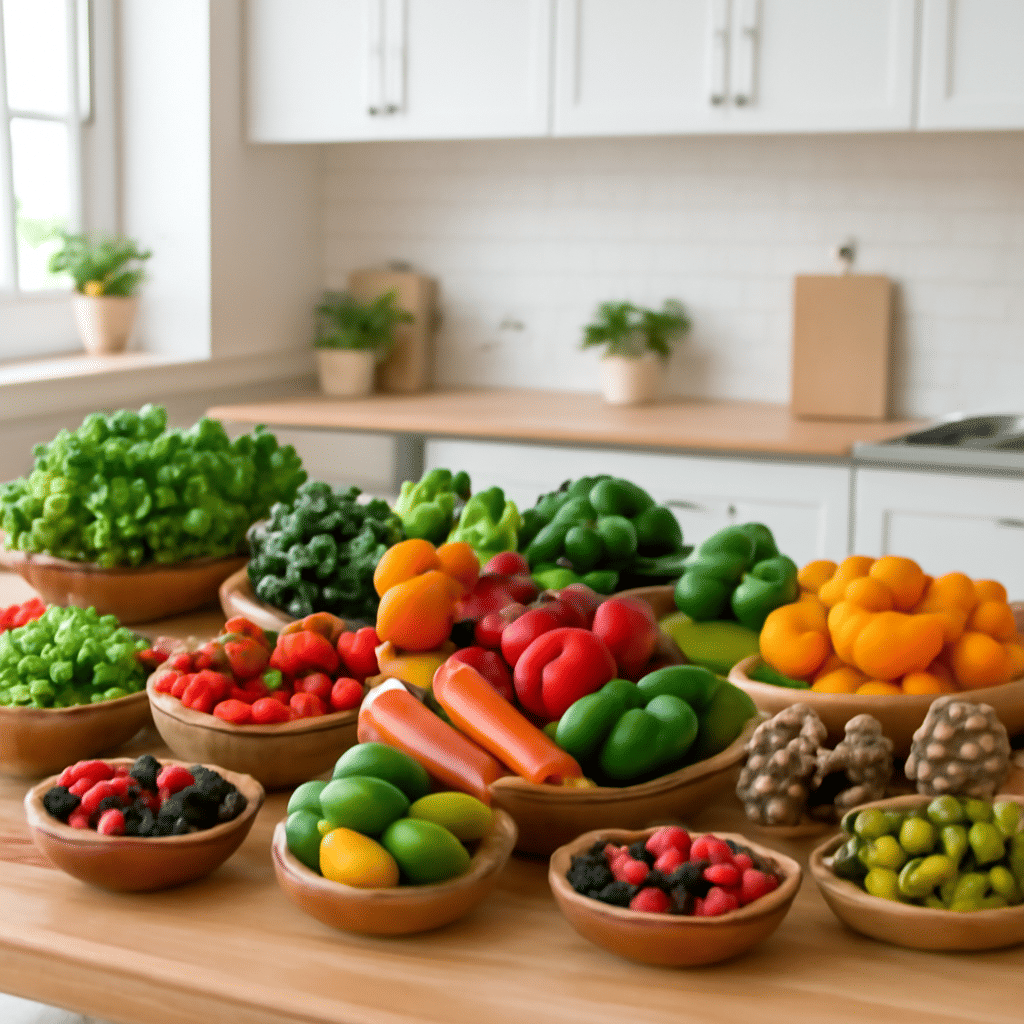
Furthermore, the concept of “eating the rainbow” becomes increasingly crucial. Different colored fruits and vegetables contain distinct phytonutrients that support various aspects of health. For example, orange and yellow produce, like carrots and sweet potatoes, are high in beta-carotene, which is vital for eye health. Green vegetables, such as spinach and kale, are rich in essential vitamins and iron, supporting bone strength and overall vitality.
It is also beneficial to consider the impact of portion sizes and meal timings. Eating smaller, more frequent meals can help regulate energy levels and prevent overeating. This practice supports stable blood sugar levels, which is critical for sustaining energy throughout the day.
Regular physical activity remains a cornerstone of a healthy lifestyle. Exercise complements nutritional efforts by promoting cardiovascular health, enhancing mood, and maintaining an optimal body composition. Activities like walking, cycling, swimming, and yoga are excellent choices for supporting an active lifestyle.
Finally, adopting a mindset focused on long-term wellness rather than short-term dietary trends is invaluable. Understanding that nutrition is a lifelong journey allows for more sustainable and fulfilling choices. Listening to one’s body, practicing gratitude for the food enjoyed, and savoring each meal are simple yet profound ways to cultivate a positive relationship with nutrition.
In summary, embracing informed nutritional choices can profoundly impact life after 40. By prioritizing whole, nutrient-rich foods, maintaining hydration, engaging in regular physical activity, and fostering a healthy mindset, we can enhance our overall well-being and enjoy a vibrant and energized life.